
The easiest way to get around Munich is usually a combination of walking, U-Bahn, S-Bahn, trams and buses. MVV tickets cover these networks within the zones you buy. For a short city visit, choose your ticket around your actual journeys, then check the transport app for live services before setting off.
Updated

| Quick fact | Details |
|---|---|
| Main networks | U-Bahn, S-Bahn, trams and buses |
| Tickets | MVV fare rules, with the correct area and travel conditions |
| Useful apps | MVGO or MVV for journeys and tickets |
| Bike sharing | MyRadl replaced the old MVG Rad service |
| Car sharing | Free-floating and fixed-station services have different return rules |
Our original guide also compared bicycles, taxis and two kinds of car sharing. Those choices still matter. A comfortable walk through the Old Town is different from reaching an appointment across the city, and a vehicle for moving furniture serves another purpose again.
Understanding Munich’s public transport
The U-Bahn is the underground network, the S-Bahn links the city with the wider region, and trams and buses fill the streets between stations. You usually change between these services on the same valid MVV ticket. Check the zones and time conditions rather than buying a new ticket solely because you change from a train to a tram.
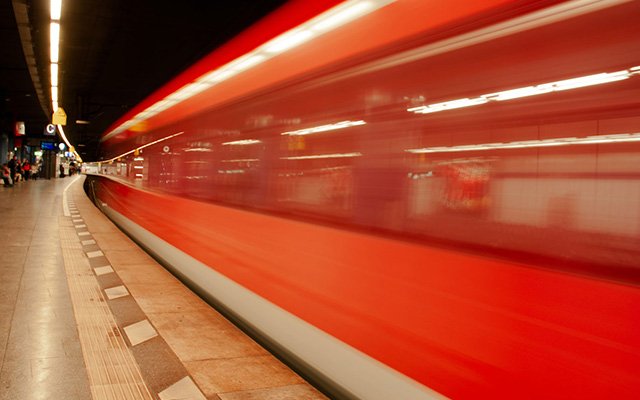
Zone M covers the city area. Trips beyond it need the appropriate additional zones, including the airport journey. A central-Munich ticket does not automatically cover a day trip elsewhere in Bavaria. A long-distance ICE ticket is a different product again.
The names are worth separating. MVV is the transport association and tariff system. MVG operates Munich’s U-Bahn, tram and city bus services. S-Bahn München operates the suburban trains. The integrated ticket makes the journey easier, even though different organisations run its parts.
Download MVGO or the MVV app before arriving. Search by address if you do not know the nearest station, then compare the route, walking distance and number of changes. Our Munich maps page is useful for a wider view of how the lines fit together.
Why we use a dedicated transport app
We have found the local transport app more useful than relying only on Google Maps. The service notices and revised routes matter, especially when engineering works interrupt a familiar line at the weekend.
The recommendation is based on our own use. Even an app needs a fresh check before a journey, particularly if you are heading for an airport departure or a booked museum slot. Look at the departure board on arrival and allow time for the walk within larger stations.
The shortest-looking route is not always the easiest with luggage or children. Compare a direct tram with a faster train requiring two changes, and check lift information if stairs present a problem. A few minutes of planning makes the trip less awkward.
Buying and validating a ticket
Apps and ticket machines provide the main options. Machines offer English, and larger stations also have staffed customer services. Do not assume every small station has a counter, or that every machine accepts the same payment methods.
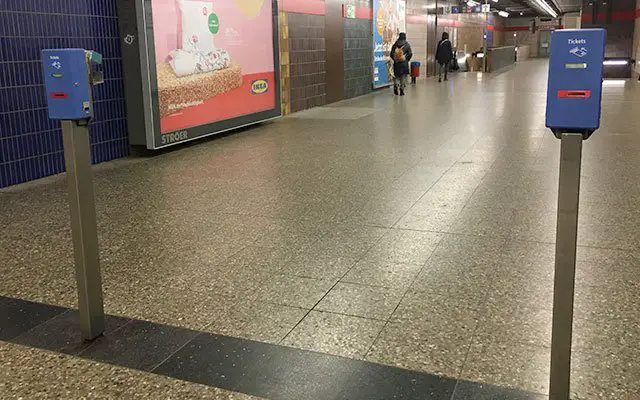
Read the ticket before hunting for a validator. Some paper tickets still need stamping before travel, particularly advance purchases and strip tickets. Others are already validated when issued. MVG’s machine arrangements changed in 2026, so a rule based on every paper ticket needing a second stamp is no longer accurate.
If the ticket says it needs validation, use the blue stamping machine before boarding the relevant train. On trams and buses, follow the machine and ticket instructions. An unstamped ticket requiring validation does not count as a valid ticket merely because you paid for it.
There are no ticket barriers at many station entrances. Inspectors still check tickets, and the published increased fare for travelling without a valid ticket is €60. Keep a mobile ticket accessible with enough battery, and carry any identification required by a named ticket or concession.
Which Munich ticket makes sense?
Single ticket and strip ticket
An Einzelfahrkarte is for a journey in one direction within the bought area and permitted time. Changing services is allowed. A return trip or a round trip is not included simply because there is time left.
The Streifenkarte is a multi-journey strip ticket. You validate the required number of strips for the journey and the traveller’s age category. The card has ten strips, but ten strips do not mean ten adult journeys. Use the current fare calculator rather than guessing from the number of stops.
For occasional travel across several days, compare individual singles with the strip ticket. Avoid buying a day ticket automatically if you will walk most of the day and only use one bus home.
Day tickets for individuals and groups
A day ticket allows repeated travel in the chosen area and normally lasts until 6 am the following day. That makes it useful when your plans involve several separate trips, rather than one outward journey and a long walk back.
Group tickets have their own passenger rules, including how children count. Since 2026, the individual day ticket also has child-accompaniment rules, so families should compare the current products rather than relying on an old “half-person” explanation alone.
The useful comparison is your expected total for singles against the appropriate day ticket. Price depends on the area, so use the current MVV ticket overview and enter the actual journeys.
Longer stays and visitor cards
Weekly, monthly and subscription products suit regular travel. The Deutschland-Ticket is a subscription covering eligible local and regional public transport, with conditions and cancellation arrangements of its own. It is not an ordinary single-use tourist day pass and generally does not cover ICE, IC or EC long-distance trains.
Tourist cards add a different calculation. A discount card or a sightseeing pass is worthwhile only when its included journeys and attractions match your plans. Read our Munich City Pass and visitor-card guide before comparing them with a plain transport ticket.
Night travel
Munich has night services, but the daytime route you used at noon is not guaranteed to run all night. Frequencies, line numbers and the services available vary with the weekday and timetable.
Check your return route before the evening starts, then recheck before leaving. If a night tram or bus replaces the straightforward underground journey, allow for the walk to its stop. Keep a taxi option in mind when the journey involves tired children, luggage or a long wait.
Cycling and the change from MVG Rad to MyRadl
Much of Munich is manageable by bicycle, and cycling was one of our original recommendations for regular travel. You see more of the streets between destinations than you do underground, and a bike is useful for linking parks and neighbourhoods.

The old MVG Rad service ended in September 2025. Its successor, MyRadl, launched in May 2026 across Munich and surrounding communities. The current city guide to MyRadl explains booking through MVV, MVGO or the nextbike app.
Check the app’s live map for a bicycle, the price category and the permitted return point. The old rule about leaving a bike anywhere within the city does not describe every current hire arrangement. E-bikes and standard bicycles also have different prices.
For a full day, compare bike-sharing with a local shop’s day rental. Set the saddle properly, check the brakes and use cycle routes rather than weaving through pedestrian shopping streets. Our Munich cycling advice fits city journeys. Mountain outings and long-distance rides need separate preparation.
Taxis and booked rides
I miss the convenience of easily hailing a cheap cab after a long day in Asia. Munich offers plenty of taxis, but the price makes them a different everyday choice from a short underground journey.
You will find ranks at major stations and other busy locations, and licensed taxis also work through booking services such as FREENOW. Use the app or operator’s actual quote for a specific trip, especially an airport transfer or a late journey across the city.
The convenience is real when you have luggage or several people sharing. Compare the total rather than assuming either public transport or a taxi is always the cheapest choice. A booked vehicle’s meeting point also matters at a busy station or airport.
Free-floating car sharing
For most visitors staying around the Old Town, hiring a car creates more work than it saves. You have parking to find, traffic to sit in and a vehicle you do not need for streets easily explored on foot.
There are occasions when a shared car makes sense. The service we described under SHARE NOW now operates through Free 2 move. It uses an app to show cars, booking conditions and a defined business area.
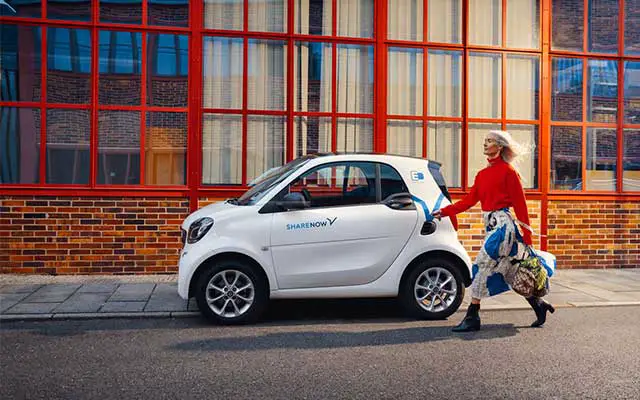
Check licence approval before you depend on a vehicle, then read the parking, airport and return rules. Leaving the operating area during a hire is different from being allowed to end the hire there. Multi-day packages and distance allowances also differ from a short per-minute trip.
For a countryside holiday with several days of driving, compare conventional hire as well. The best city-sharing product is not automatically the best value for a week away from Munich.
STATTAUTO and returning to a fixed station
Our other original recommendation was STATTAUTO for people spending longer in Munich. We still like the useful distinction between finding a shared car near you and reserving a vehicle at a known station with a return space waiting.

STATTAUTO is station-based. You register, book a vehicle and return it to the agreed station. Its range includes practical vehicles and vans, making the service worth comparing when you need to move something larger than a suitcase.
The current tariff combines a time charge and a kilometre charge. Our old suggestion that only mileage counts was wrong. Check the relevant vehicle class, registration charges and any deposit before comparing the overall cost.
Additional drivers need to comply with the operator’s rules. Do not assume any friend or partner is insured to drive because the registered customer is sitting beside them. A fixed return station is convenient, but the vehicle still has to come back in time for the next booking.
Scooters, walking and choosing for the actual journey
Our original guide was sceptical about shared scooters, particularly when parked across pavements. I still prefer a bike for many ordinary city journeys, and nobody should have to climb around a discarded scooter to reach a crossing or doorway.
Environmental comparisons depend on the vehicle’s use, maintenance and the journey it replaces. There is no sound reason to claim every scooter trip has the same impact. The immediate practical point is simpler: follow riding rules, keep pedestrian space clear and use the operator’s permitted parking arrangements.
For the central sights, walking is often the most enjoyable option. Combine a short public-transport journey with a connected walk, and save the car for a trip which needs one. Munich’s transport choices work best when they fit your day rather than becoming another attraction to organise.