
As a newcomer in Munich, the KVR was one of the offices I quickly got to know. For address registration, start with the Bürgerbüro: the usual deadline is 14 days after moving in, with an online option for eligible main-residence registrations. Residence permits use the immigration service. Knowing which service I actually needed saved a lot of confusion.
Updated
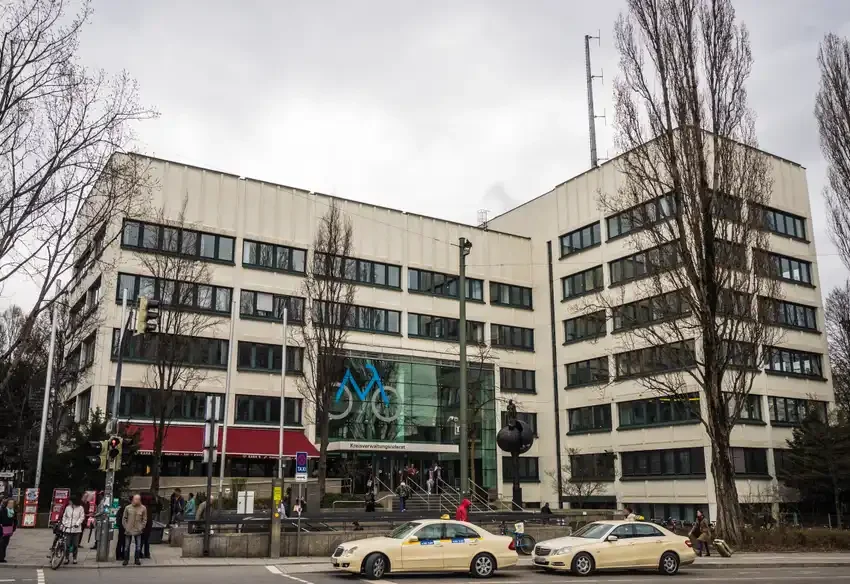

What is the KVR?
KVR stands for Kreisverwaltungsreferat, Munich’s district administration department. The name covers several services rather than one counter where every bit of paperwork can be done.
The two names I needed to distinguish were Bürgerbüro for registering an address and Ausländerbehörde, now the Service Office for Immigration and Citizenship, for my residence matter.
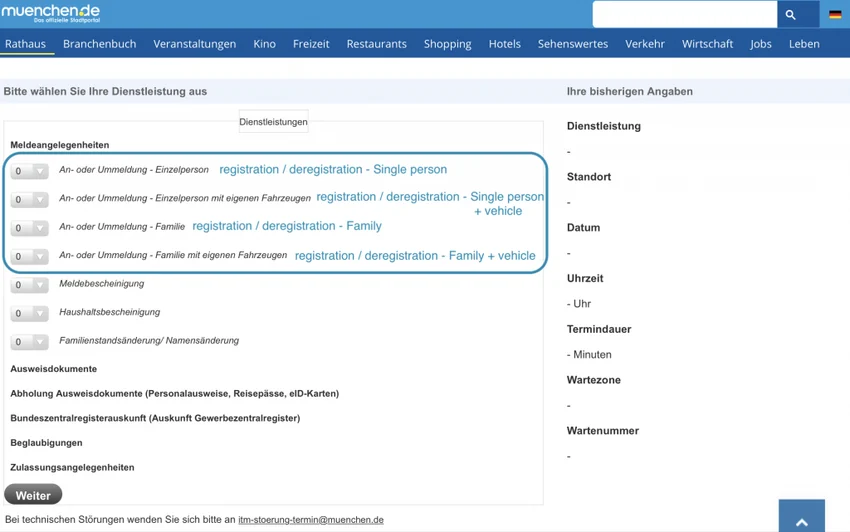
The Bürgerbüro handles address registration, called Anmeldung or Ummeldung. Vehicle registration has its own service and appointment category, so do not assume a residential registration slot will cover your car too.
For permits and other immigration matters, use the current immigration service. Pick the type of application or collection you need. A Bürgerbüro appointment will not deal with a residence permit.
Registering your address with the Bürgerbüro
The usual requirement is to register within 14 days of moving into a home, including when moving within Munich. That applies to German nationals as well as newcomers from abroad. Temporary-stay exceptions depend on your circumstances, not a single blanket three-month rule. See the city registration service and section 27 of the Federal Registration Act.
Keep the Meldebestätigung, your registration confirmation, with your important documents. It is one of those bits of paper that can turn up again in bank, work and residence administration. Registration does not itself grant permission to stay in Germany.
After a first registration in Germany, the Federal Central Tax Office assigns your tax identification number automatically. Keep that number too; it is not a new number every time you move.
You can attend in person or authorise someone to register for you. The standard documents include a valid ID for each person and the Wohnungsgeberbestätigung, the move-in confirmation from whoever provides the accommodation. It is not simply a copy of the rental contract. Check the city checklist for a representative’s documents and special family cases.
Eligible main-residence registrations can use the online address service. You need an accepted electronic identity document with its online function, PIN and the AusweisApp, plus the required service account. Check eligibility first; if your ID or registration type is not supported, use the in-person route.
If attending in person, you can use a Munich Bürgerbüro with a suitable appointment rather than limiting yourself to the main KVR building. Registration is free. Check the office named on the confirmation before travelling.
Use the official appointment directory for Wohnsitz anmelden. Termin vereinbaren means book an appointment; Unterlagen are your documents. Those few words make the booking page less mysterious.
In my earlier experience, checking early in the morning before the office opened helped me find a slot. It did work for us, although it is not a guarantee about today’s appointments. Try different Bürgerbüro locations and check again for cancellations.
If you are close to a deadline or waiting for a document, use the contact route on the relevant city service page. Keep records of what you have submitted, but do not assume an unanswered email is the same as having registered.
After booking, read the whole email. In the system I used, the first message asked me to verify the booking; it was not yet the final confirmation. Do not make my rookie mistake of overlooking an action in the message. Save the completed booking details.
My experience collecting a residence permit
The following is my personal 2021 experience with the immigration side of the KVR, rather than a forecast for a current application. Today’s online services include applications and separate appointment routes for particular tasks.
On an earlier visit, I had queued in the winter morning hoping to get a number, only to face more waiting inside. I remember the frustration of being unsure whether the day would end with anything achieved.
For your application now, follow the instructions for your particular permit. Some services are online applications and some have a direct booking route. Do not assume that every application is approved before an appointment is arranged.
In 2021 I waited about six months for my appointment. Once it arrived, though, the actual visit was efficient. That difference between the long wait and the short meeting was striking.
The building looked more modern than on my earlier visit. There was even a café at the entrance. At the time I still found parts of it awkward with a pram, so ask the office about the access you need rather than relying on my old impression.
The repainted corridors felt friendlier and there were USB charging sockets on the waiting benches. The little things count, right? After a long wait, I noticed them.
My invitation letter listed the documents and anything to complete before the appointment. It was in German, but the instructions were clear once I went through them. I would read your own letter carefully rather than expecting mine to describe the current process.
The letter gave my waiting number, time slot and room. A large screen matched my number to the appointment room. It also set out the fee and told me to pay at a machine before the meeting, so there was no queue for a cashier.
I waited about 15 minutes, compared with the three hours I remembered from before. The meeting itself was short; the whole visit took roughly half an hour. Having the right documents ready helped make that part straightforward.
Wir drücken Ihnen die Daumen! Fingers crossed!
During the long wait, I had felt helpless. I contacted Rechtshilfe für Ausländerinnen und Ausländer in Munich, and having someone explain my situation and rights calmed my fears. That was the support I received then; ask about current immigration-advice services if you need help with your own case.
A few weeks after the appointment, I collected my card after proving my identity at the local post office. I was over the moon. My relief was very real, although of course the day a card arrived was not the only thing determining my legal status during the process.

Office address and appointments
The main KVR is at Ruppertstraße 19, 80466 Munich, but Bürgerbüros and individual immigration appointments can use different buildings. Follow the address and arrival instructions in your own booking. The current city appointment directory is more useful than the old general enquiry hours.
What happens when you move again?
If you move within Germany, register with the municipality of your new home; you do not separately deregister the old address. If you move abroad and give up your German home, use Munich’s deregistration service.
Deregistration is possible one week before moving out and must be done within two weeks afterwards. The city provides online and postal options. Keep the confirmation with the other paperwork for your move.