
For food rescue in Munich, look for Too Good To Go surprise bags near your home or route, or use Foodsharing München’s Fairteiler map. For groceries with less packaging, Munich’s waste service lists markets and refill options. I found it easiest to start with the four bakeries I passed regularly, rather than try to change every shopping habit at once.
Updated
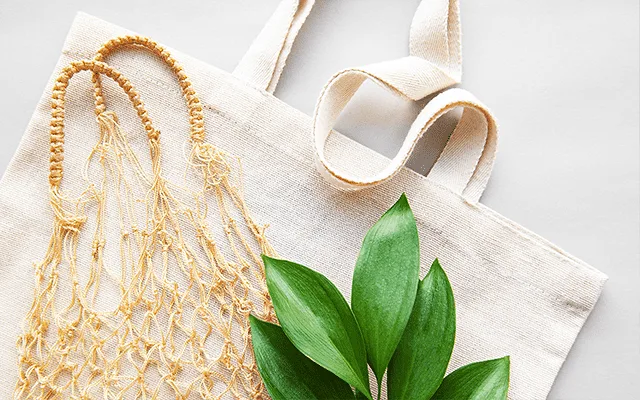
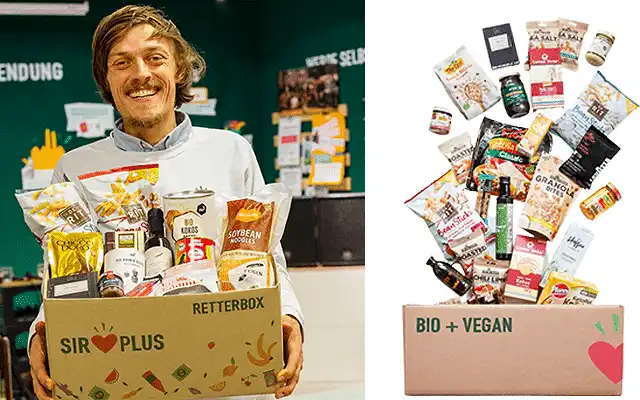
I wanted to eat and shop with less waste without making my weekly groceries more expensive. Buying organic was part of the answer for me, but I couldn’t always pay more. It helped to think about the problem in two parts: buy less packaging when I already knew what I needed, and rescue something I’d eat if a shop had it left over.
What was it like collecting Too Good To Go bags in Munich?
I tried Too Good To Go for about a year before writing my first guide. Most of my collections were good, but I had a few disappointing bags at the beginning. There was also the matter of finding a pickup time that worked. Something could look like a bargain in the app and still be too far out of my way on the way home. In the end I had four bakeries in my area that I liked. I rotated between them so I didn’t end up with the same things every time.
The bag is an Überraschungstüte, literally a surprise bag. The seller lists the price and collection window in the app. Reserve what fits, go during that window and show the confirmation to collect it. Choose the type of shop you want rather than counting on particular items being in the bag. If you have a dietary restriction, ask what the seller can tell you before relying on a mixed bag. How Too Good To Go collection works in Germany
I would start with one bakery or café within walking distance and find out how much food you actually bring home. I liked collecting on the way home after work, but check the individual time. Don’t order more than you have room to eat or store. Rescuing a pile of bread isn’t much use if half of it goes in your own bin.
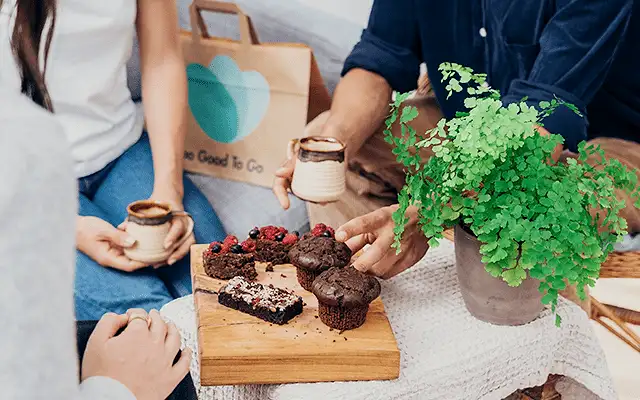
Where else can you find rescued food?
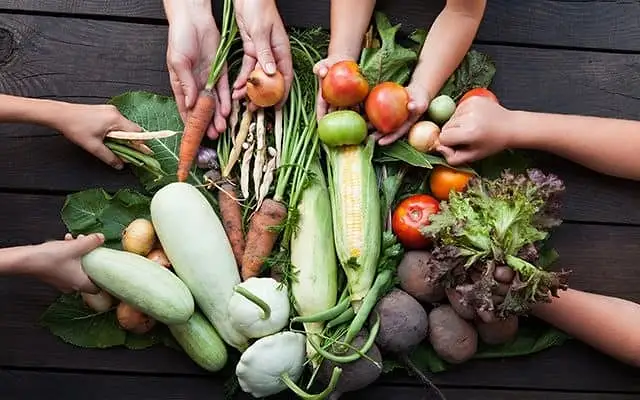
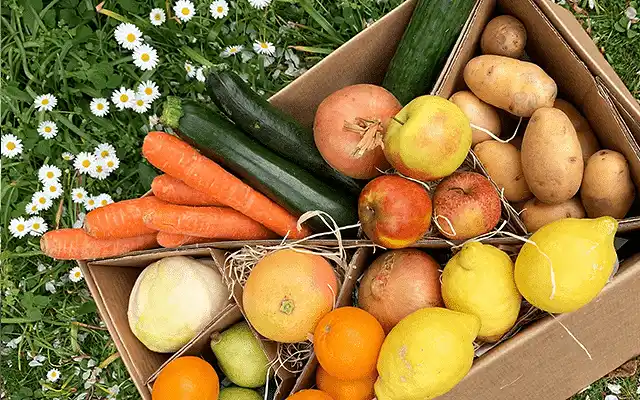
Foodsharing München lists shared food points called Fairteiler. Check the location, opening hours and rules for the particular cupboard or fridge. It isn’t a shop with a fixed stock. For a produce box, my earlier guide liked the idea behind etepetete: I don’t care if a carrot looks a little odd if I’m chopping it up for dinner. Check the current box options and subscription terms and choose a quantity you can use. Munich Fairteiler locations · etepetete
How do you shop with less packaging in Munich?
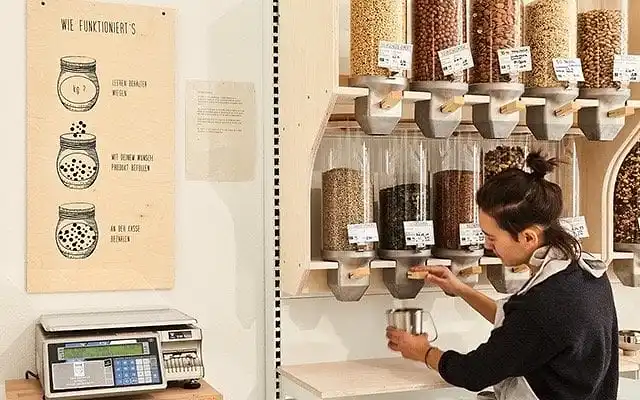
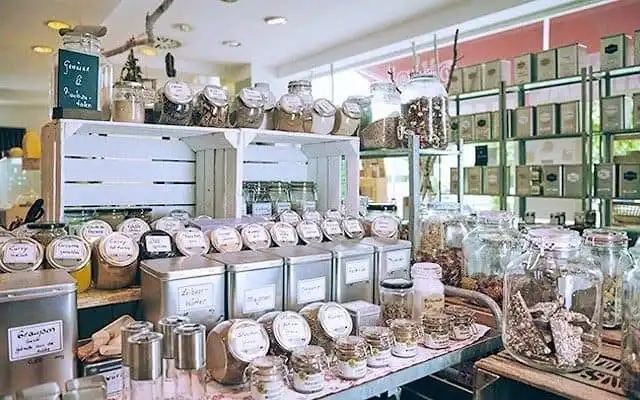
The refill shops I wrote about had dispensers for things like pasta, grains and household products. I remember small jars and metal tins at Mutter Natur Laden, and having a look at the fresh food as well as the dried things. Some shop names and hours have changed since my first visits. Use the AWM directory of markets and low-packaging shops and check the shop before going out of your way.
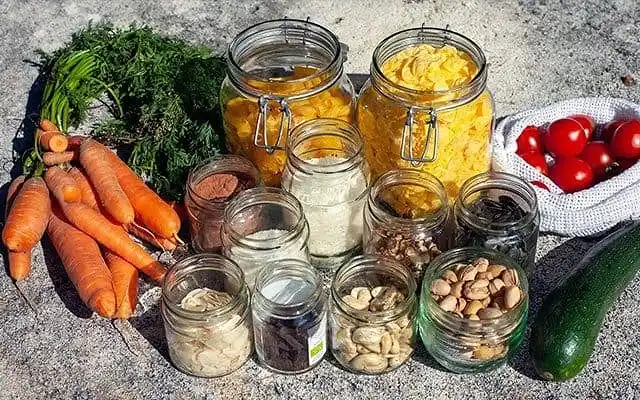
Start with a reusable bag for fruit and vegetables. Take a clean jar or box if the shop accepts your own container, and ask the staff how to weigh it before filling. It’s also worth asking a bakery about yesterday’s bread. I used to look for it when I was making Semmelknödel or bread soup. One thing I learnt doing this regularly: a shop near your normal route will get more use than the perfect one across town.
Which groceries are easiest to start with?
For me, the easy switch was fruit and vegetables I could already buy loose. I could take what I’d use instead of deciding what to cook around a whole bag. Then I looked at the foods I bought every week, such as pasta and grains. One jar at a refill shop was a good way to see how the shop worked. I didn’t need to buy a set of new containers for the kitchen first.
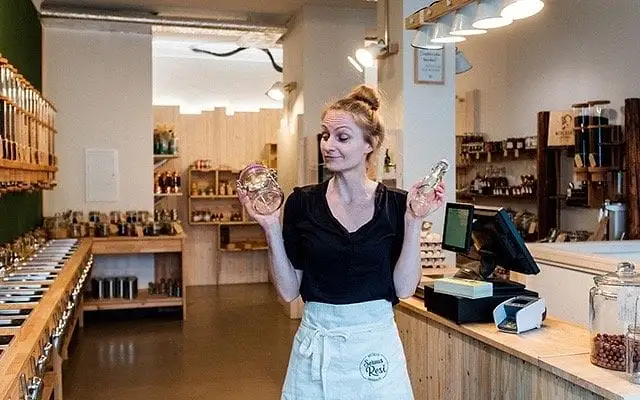
At the shops I described in my original guide, the choices went beyond dried food. Ohne had fresh produce and things for the bathroom, with a place for a coffee and cake. Servus Resi caught my attention because Chrissi had taken the idea from her great-grandmother’s little shop in the Allgäu. Those were examples of what shopping like this looked like when I was trying it, rather than a promise that the old branches and hours are still the same. If you prefer a weekly market to a specialist shop, look through the AWM list by neighbourhood. It’s much easier to keep up the habit if you’re already walking past.
If you eat out more than you cook, there are still useful options. Check whether the lunch counter accepts your container, or whether its returnable bowl can go back to another shop you pass. At the Viktualienmarkt, there are return points for the market’s cup and bowl scheme. The question I ask now is where I can return the container before I take it away.
Where can you buy useful second-hand goods?
The city’s Halle 2 service page lists furniture, books, toys and household items recovered through Munich’s recycling centres. Stock changes, so treat it as a place to look rather than a place to reserve a particular item. For clothes and other shops, see our Munich second-hand guide.
Where can you get something repaired or passed on?
Use Munich’s Zero Waste office and circular economy information to find current reuse and repair routes. If something is broken beyond repair, check the municipal waste services for the correct collection route before leaving it out.
What is practical for a short stay?
Use our Munich public transport guide before paying for a car or taxi. When you buy a drink in a reusable cup, ask whether there is a deposit and how to return it. The city’s Christmas market rules are one example of a deposit system. If you’d like to choose a café or restaurant by its community work, see our socially minded Munich eateries.